
Weekly curated resources for designers — thinkers and makers.
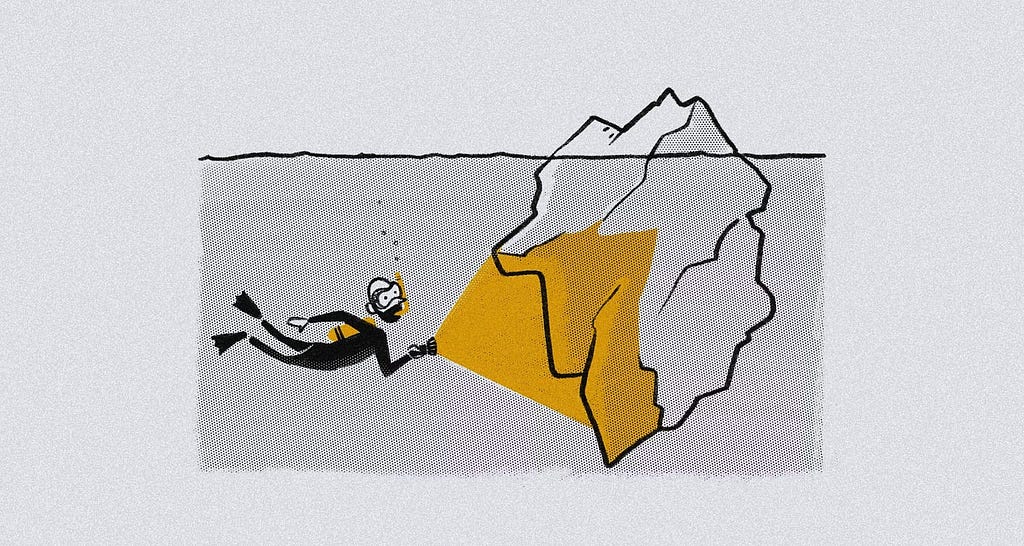
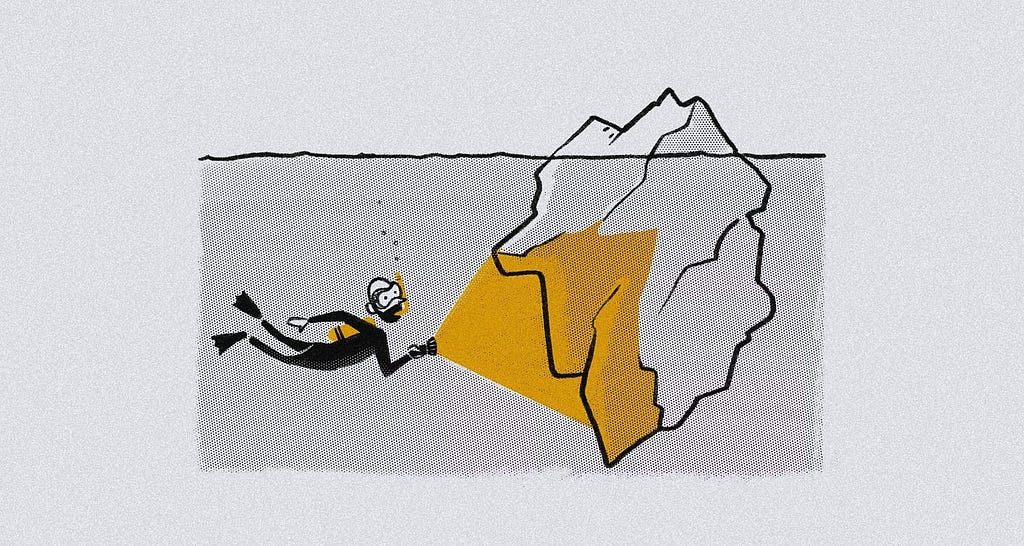
“Super efficient, but over time, that efficiency started to shape how I thought. I was moving faster towards answers, but along narrower paths. Ideas felt more predictable, and I was less surprised by where I ended up. The work converged quickly, sometimes too quickly. That’s when I started noticing how much the tools were quietly changing where my attention went.”
A sharp tool can still ruin the cut →
By José Torre

Designing AI products: The next frontier for UX →
[Sponsored] Most designers are learning how to use AI tools. Far fewer are learning how to design AI-powered products. Learn the patterns and frameworks behind today’s leading AI experiences in this new 4-week course.
Editor picks
- AI token scarcity and arcade economics →
The rising cost of computing.
By Luis Berumen Castro - Design’s alive and kicking →
It just got some flashy new names.
By Nicole Alexandra Michaelis - AI meets Sturgeon’s Law →
Why does more content not mean more quality.
By Chris R Becker
The UX Collective is an independent design publication that elevates unheard design voices and helps designers think more critically about their work.
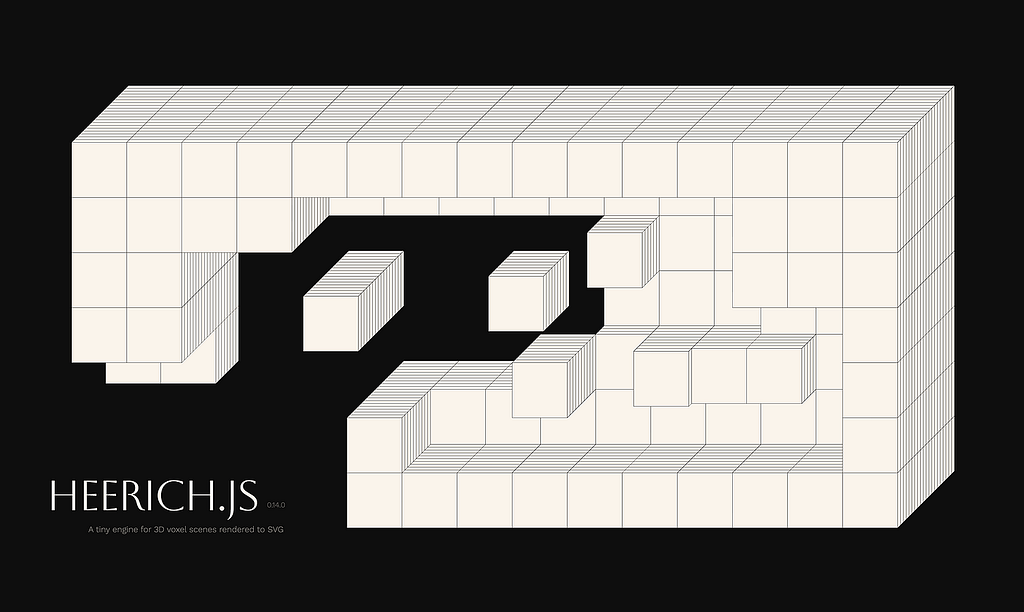
heerich.js: a tiny engine for 3D voxel scenes rendered to SVG →
Make me think
- The user is visibly frustrated →
“For some reason, bad results often feel exasperating. But why am I getting mad at an algorithm? Am I the only one affected? Are coding agents surfacing a sadistic streak I didn’t know I had? I think there’s another explanation: the conversational UX is bound to frustrate you.” - AI job grief: the unnamed psychological crisis hitting tech workers →
“A 2025 qualitative study in the International Journal of Qualitative Studies on Health and Well-being found that participants experienced AI-related job displacement as “the symbolic loss of professional identity, autonomy, and future prospects.” The researchers were explicit that the harm was not primarily financial. Job displacement “was experienced not just as a career disruption but also as an erosion of personal identity.”” - The speed of prototyping in the age of AI →
“The thing nobody really warned me about is how much AI changes the shape of engineering work, not just the speed of it. When I’m not the one typing every line, I’m forced to think differently. I’m thinking about boundaries, contracts, and how the pieces fit together. I’m writing prompts and specs that describe the system holistically, before the system exists.”
Little gems this week
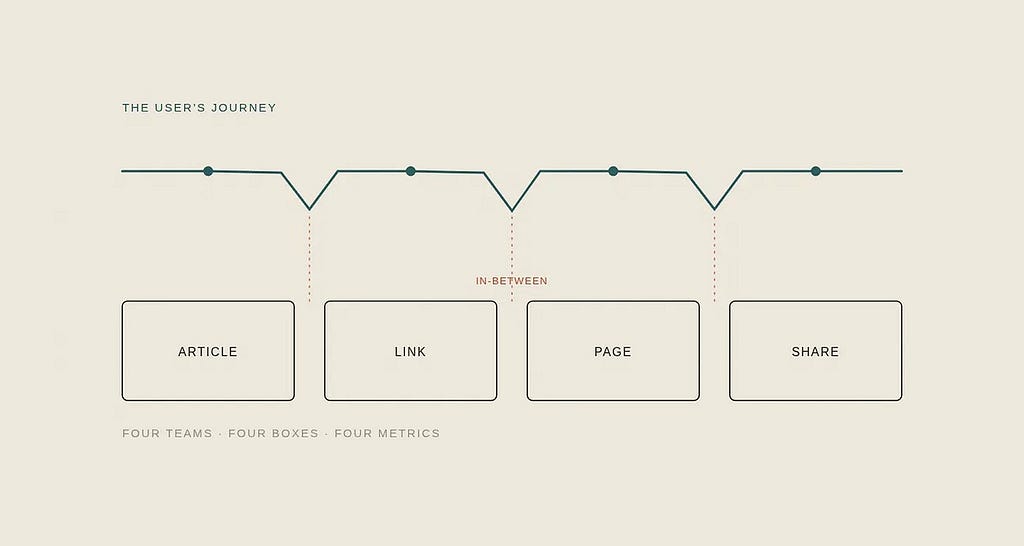
Your user doesn’t care about your organization chart →
By Wira Indra Kusuma

Employment expiry and the end of workplace loyalty →
By Raoul Flaminzeanu
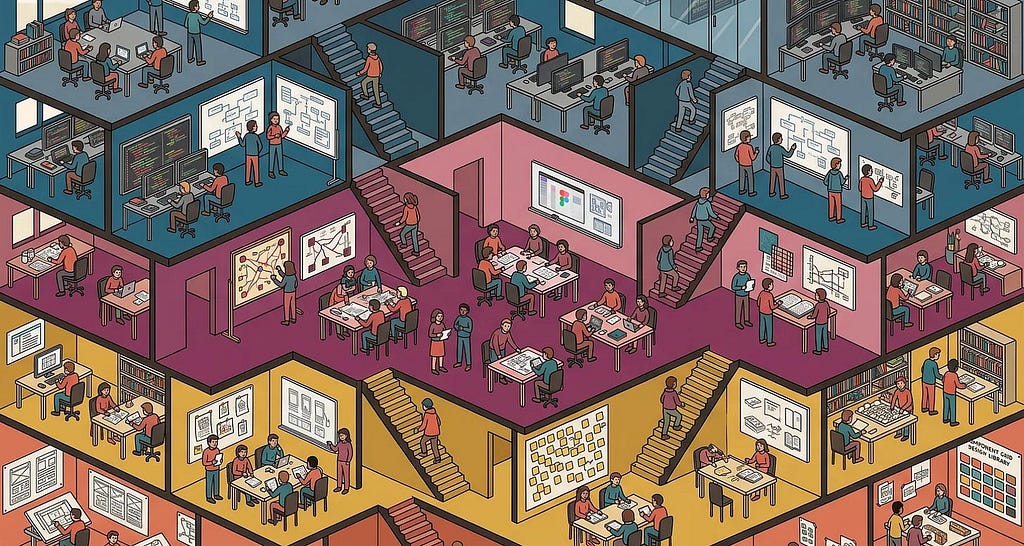
The third role: how designers and solution architects are converging →
By Sahil Mathew
Tools and resources
- Designing the pass-through in agentic computing →
A restaurant analogy.
By Jay Acutt - Is your website ready for AI agents? →
Why accessibility is your new best friend.
By Zeeshan Khalid - AI-created document fatigue →
How I designed my way out of it.
By Heenesh Patel
Support the newsletter
If you find our content helpful, here’s how you can support us:
- Check out this week’s sponsor and support their work too
- Forward this email to a friend and invite them to subscribe
- Sponsor an edition
Sharp tools, AI token scarcity, AI-created document fatigue was originally published in UX Collective on Medium, where people are continuing the conversation by highlighting and responding to this story.