Most marketing teams I talk to are doing genuinely good SEO, and yet when they open ChatGPT or Perplexity and type in the prompts their buyers are actually using, their brand is nowhere to be found. This is the exact problem the FSA Framework was built to solve.
Digital Skills
Building an Informed Answer Engine Strategy
By now, you know that everyone’s buzzing over answer engine optimization (AEO). So, just what is AEO in marketing? It’s a new way of ensuring your brand shows up in the places your prospects are using more and more: AI tools like Gemini, Perplexity, and ChatGPT. These AEO insights will catch you up on the most crucial information to get started now.
How to turn your competitor’s worst reviews into your strongest design argument
Competitive research isn’t for visuals. It’s for bringing evidence. Continue reading on UX Collective »
What AEO rank trackers measure and why marketers need them
If you’re asking yourself, “How can I measure AEO success?”, AEO rank trackers should be your next investment. They gauge your brand visibility in AI-generated answers, considering metrics like citations, mentions, share of voice, and sentiment.
The erosion of design authority, burnout problems, invisible customers
Weekly curated resources for designers — thinkers and makers. “The excitement surrounding these tools does not come from the design itself. It comes from the collapse of the distance between description and interaction. An interface appears immediately, behavior responds instantly, and possibility becomes visible before structure exists. That is genuinely new. What is not new is the gap … Weiterlesen
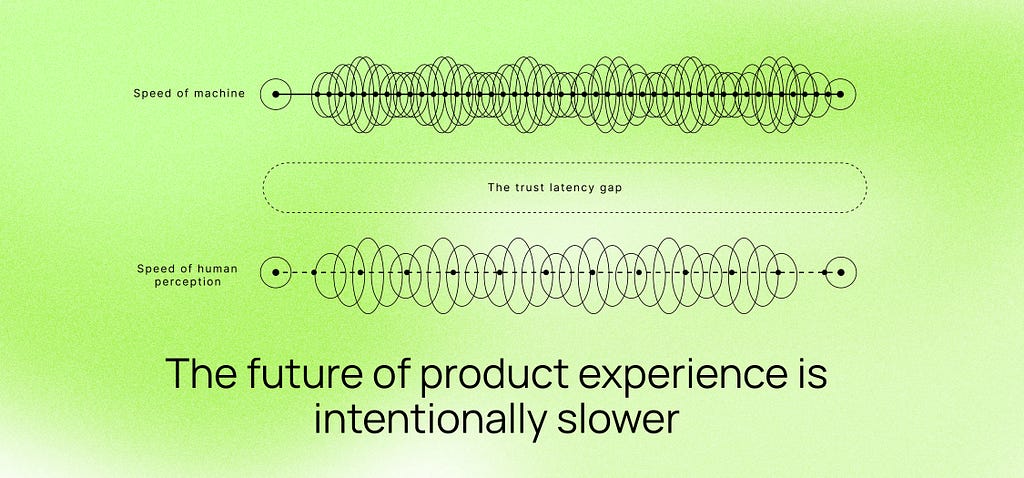
The trust-latency gap: why the future of UX is intentionally slower
As AI compresses decisions into milliseconds, the designers who thrive will be the ones who know when to slow things down — and why trust demands it. Image by Author We’ve spent a decade worshipping speed. But as AI compresses action into milliseconds, something unexpected is happening: the faster our products become, the less we trust them. Spend five minutes … Weiterlesen
Designing adaptive teams
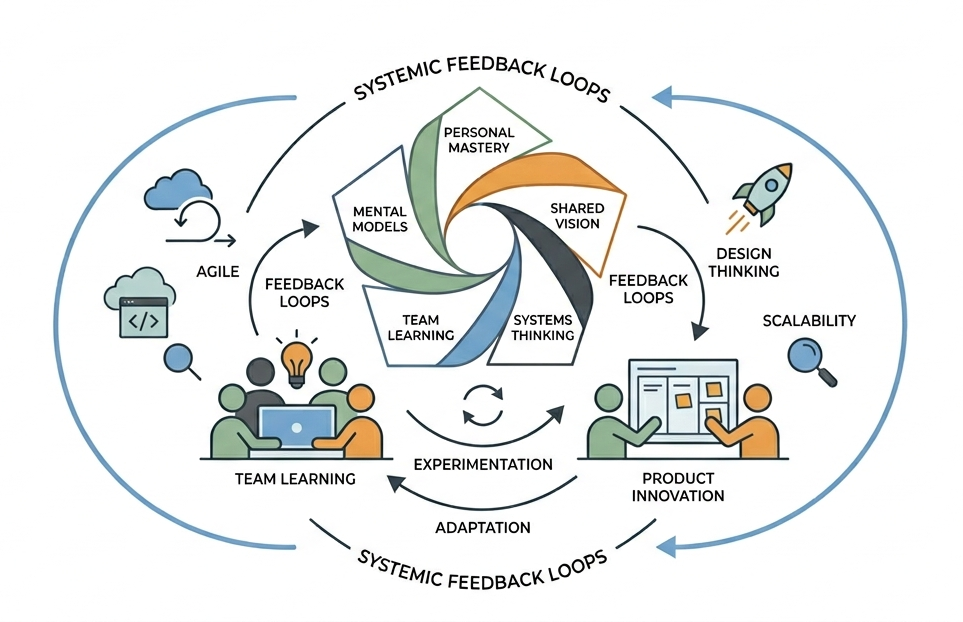
A systemic analysis of Peter Senge’s learning organisation within the modern product and design ecosystem Designing Adaptive Teams Over the past few weeks I was reading the conceptual framework of the “Learning Organization,” as articulated by Peter Senge of the MIT Sloan School of Management, which represents a paradigm shift from the mechanical, industrial-era hierarchies toward … Weiterlesen
Most products don’t need tone of voice — they need a point
Instead of BS rules that no one will open twice, focus on what’s useful (like plain English, active voice, and good timing). Continue reading on UX Collective »
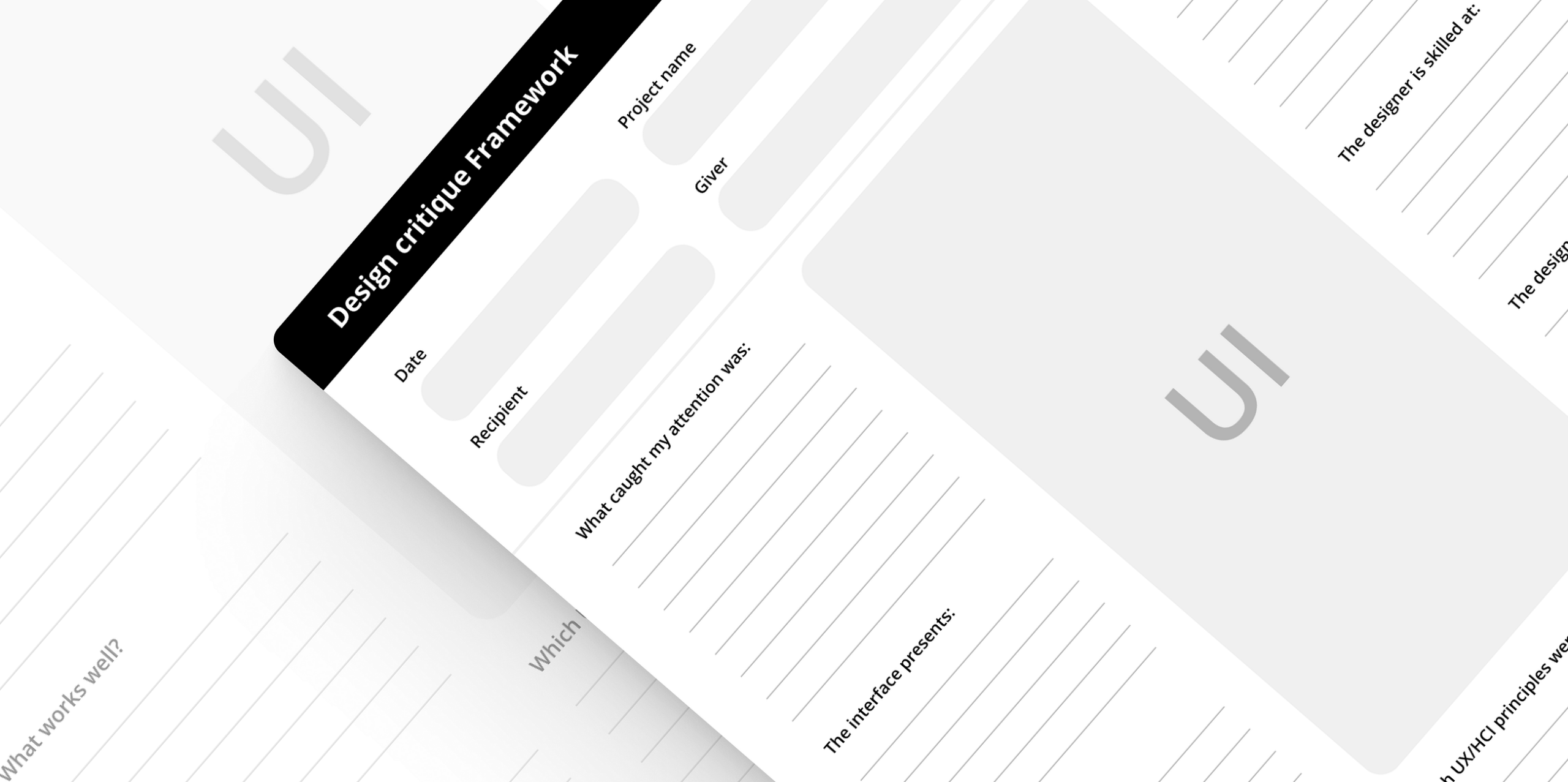
Rethinking design critique
Building design knowledge through a collaborative process Continue reading on UX Collective »
Notes from the people building your future
The companies disrupting your career are now volunteering to manage the fallout. OpenAI has published its vision for the post-AI economy. Not everyone is invited. Once the machines have taken the jobs, we are told, people will find meaning in other things. Community. Creativity. The pursuits that were always more important than work, if only we’d … Weiterlesen
![Free AEO Grader: See Your Brand's Visibility in Answer Engines [Free Tool]](https://no-cache.hubspot.com/cta/default/53/d4233c10-60b6-46d7-9852-c71dde8507b6.png)