
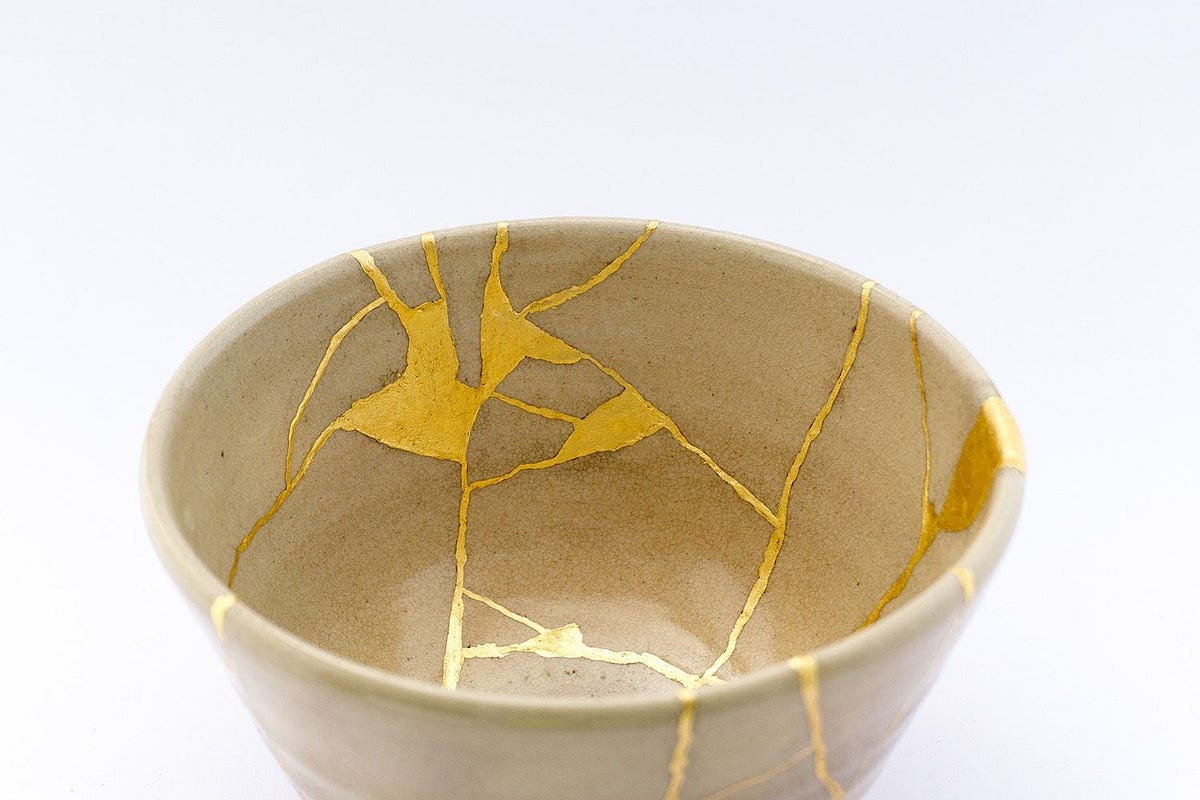
The most important design decisions aren’t made when everything works — they’re made when it doesn’t.

Today is my daughter’s birthday. A few years ago, I volunteered to bake her cake — and my family was skeptical.
Not in a mean way — the way families are when someone announces they’ll do something they’ve never done before. I hadn’t told them what I had in mind: layers of sponge, whipped cream, and fresh strawberries. I had a picture in my head. They were waiting to see if anything would arrive.
I practiced. I wasted a lot of eggs and a lot of sugar. I learned something cooking had never taught me: baking doesn’t negotiate. Regular cooking is forgiving — you taste, adjust, compensate as you go. Baking is chemistry. What you put in comes out exactly as it is. The oven doesn’t cover for you.
The cake came out. Not perfectly — the sponge layers had their flaws, the kind that come from someone who has been baking for months, not years. But the whipped cream and strawberries did something the sponge alone couldn’t do. They didn’t hide the imperfection. They made the whole thing work anyway. My daughter and her friends were all happy. The family was surprised in a good way.
I kept thinking about those layers of cream afterward. They weren’t a fix. They were craft applied to something that couldn’t be un-done. The sponge was what it was. The question was what to do with it.