
Quick answer: how to focus while studying
To focus while studying, work in short, single-task bursts and clear away distractions before you start:
- Pick one task and clear your space. Put your phone in another room and close every tab and app you don’t need.
- Set a timer. Start with 25 minutes (the Pomodoro Technique), or less if that’s all you can manage at first.
- Give the material your full attention until the timer rings. When your mind wanders, jot the stray thought on paper and steer back.
- Take a short, active break. Stand up, move around, and have some water so your brain can rest.
- Check what stuck. Try to explain what you just learned in your own words. If you can’t, review it and go again.
- Repeat, and build up your focused time gradually as concentration gets easier.
Every ping, every “quick question,” every open tab pulls your attention somewhere else. Phone calls, incoming emails, and social media notifications all break your train of thought and stop you finishing what you started. If you want to learn faster, the first skill to build isn’t speed. It’s focus.
Organization, not Distraction
Do you ever have one of those days when everything happens at once, and you can’t think straight for being bombarded with things to do? It might be time to take a breath and slow down. A bit of organization gets your life back on track, so you can do the things you want to do instead of always playing catch-up.
Productive people often spend a few minutes each morning organizing their day. Many also protect their attention by refusing to be constantly available. They set aside certain times to answer emails and return calls, and their colleagues and clients adapt.
Try turning off your phone from time to time. Record a message so people can ask you to call back. And instead of checking email constantly, process it in three or four batches a day.
Organize Your Learning Time
What does this have to do with learning? Most people retain information more easily when their brain isn’t being pulled in ten directions. Set aside time in your day or evening purely for learning, and don’t let anything interrupt it. How much time is up to you, but once you’ve set it, guard it. This is study time, and nothing else.
Sound or Silence?
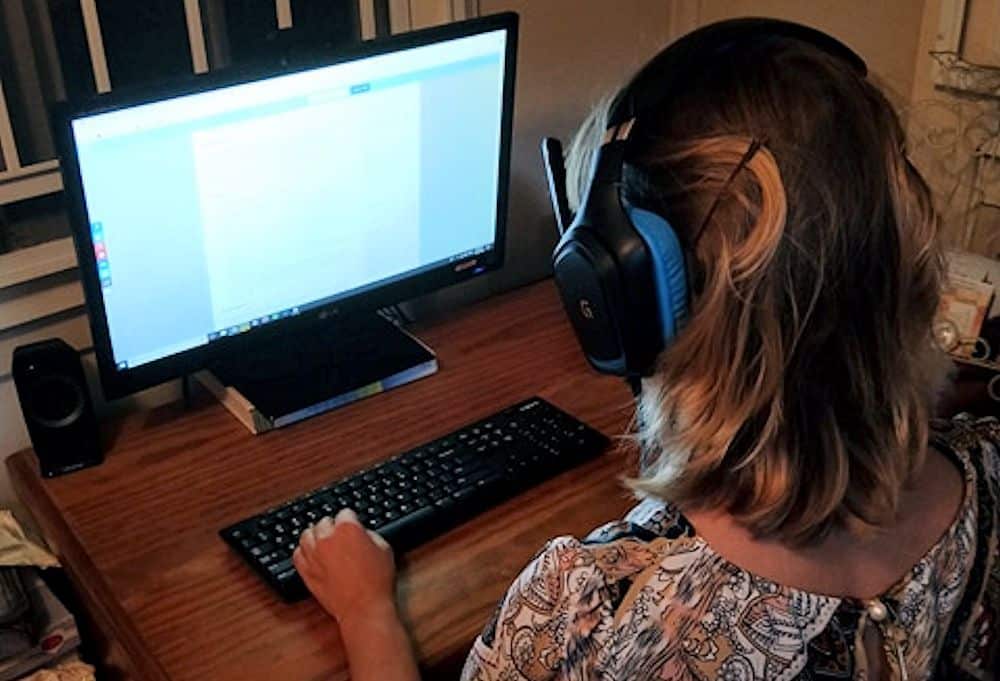
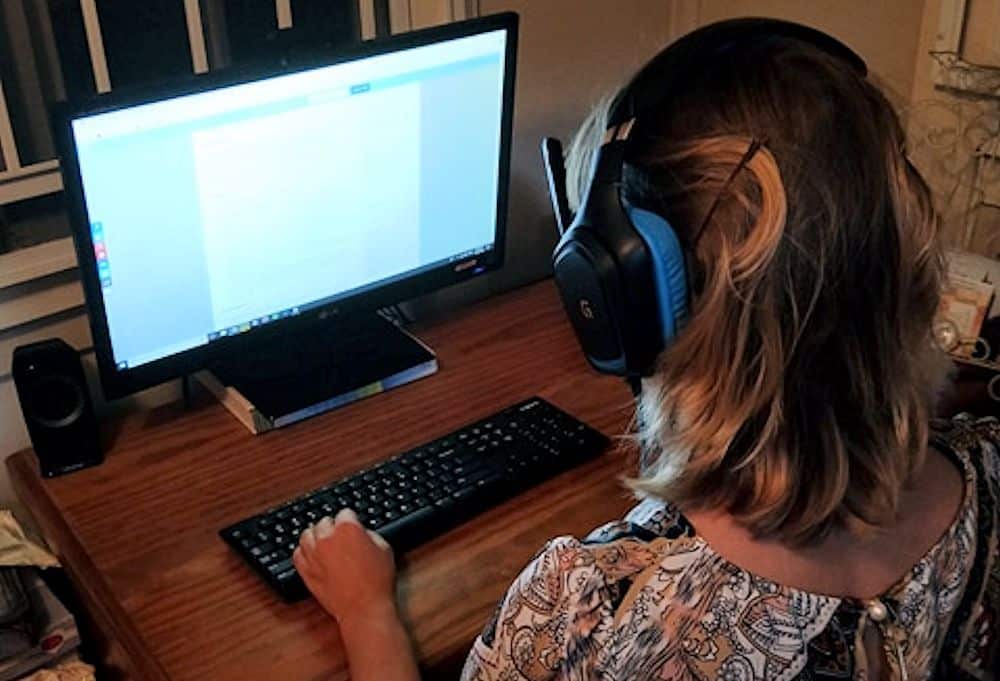
People learn in different ways. Some retain more with background music or neutral noise, and even the hum of a coffee shop helps a few. Others need silence. Headphones can do either job: deliver the sound you want, or cancel out the sound you don’t. Work out which one you are.
Many learners use the Pomodoro Technique to stay focused. Barbara Oakley’s Learning How to Learn, one of the most popular online courses ever made, recommends it as a way to beat procrastination. Her concise follow-up, Learn Like a Pro, goes deeper into the science of focus and memory. It holds a 4.9 rating from 317 reviews on Class Central and is free to audit. You may have heard about the Pomodoro before, but its payoff for learning is big enough to be worth repeating.
How to Make the Pomodoro Work for You
- Remove distractions. Turn off your phone or put it in another room. If you’re using it to watch course videos, close your email and social apps. On a computer, close everything else so you’re not tempted to “just quickly check” something.
- Set the timer to suit you. Francesco Cirillo, who invented the technique, suggests 25 minutes, but use whatever length works. Even 5 or 10 minutes might be all you can manage at first. Make the most of them and build up gradually. You wouldn’t run or lift weights for 25 minutes straight on day one of a new program.
- While the timer runs, keep your mind on the subject. Pay attention to the videos. If you notice your thoughts drifting, remind yourself that this is study time and everything else can wait.
- If something didn’t sink in, watch or read it again. Close your eyes briefly to refocus if you need to. Take notes, preferably by hand. Then try to explain what you learned to your pet, or to the mirror. If you can’t, go back over it and try again in your own words.
- Little by little, you’ll find you remember more each time.
- Keep a pen and paper handy for stray thoughts. If you remember something you need to do later, jot it down and return your attention to studying.
- When the timer rings, take a short break. Stand up, walk around, have a healthy drink, and let your brain rest. (Skip the alcohol and sugar hits; they don’t help.) The break does two jobs: it lets your brain switch into diffuse mode, and moving around improves your blood flow.
Try It for Yourself
Have you tried the Pomodoro Technique? Could you stay on task, or did your mind keep wandering? If it wanders, gently steer it back to the task until the timer rings. Concentration takes practice.
Some people also find mindfulness or meditation helps. It can improve focus, concentration, and learning, and it supports your mental health and mood too. Coursera’s A Life of Happiness and Fulfillment (with a rating of 4.8 from over 500 reviews) also discusses mindfulness and includes a “Presence Practice” exercise.
If you want to build a regular practice, our guide to the best meditation courses rounds up options for every level.
A Final Thought
Focusing is hard at first. With practice, it gets easier, and you’ll start learning faster.
Pat Bowden’s original version of this article was originally published on her Online Learning Success blog. Since discovering MOOCs in 2012, she has completed more than 200 online courses and loves being able to learn about almost anything without leaving home.
The post Study Smarter: How to Focus, Beat Distraction, and Learn Faster appeared first on The Report by Class Central.