What we behold, the trust-latency gap, designing haptics

0Wz1R2duzQB4MXZi3.png

Weekly curated resources for designers — thinkers and makers. “The sentiment of the change brought on by AI has never been more relevant than it is now. Technology has always accelerated, but it feels like we are at an inflection point. Where AI business innovation, AI automation, and AI-driven technological disruption are shaping us faster than we can … Weiterlesen

Becoming an AI-native designer

1By2n OAWsg5a3W k4cCScw.png

On demos, tacit knowledge, and building your own scaffolding I’ve spent seven years in the design industry. Strip away the user research and product definition, and the core task was always the same: draw things. Wireframes, visual specs — hand them to engineering, then wait. I was essentially a translator. Translating requirements into ideas, ideas into files, and … Weiterlesen

Rethinking the shape of design teams in an AI world

1ir0cDqBqOD5ya4W4P8ODWQ.png

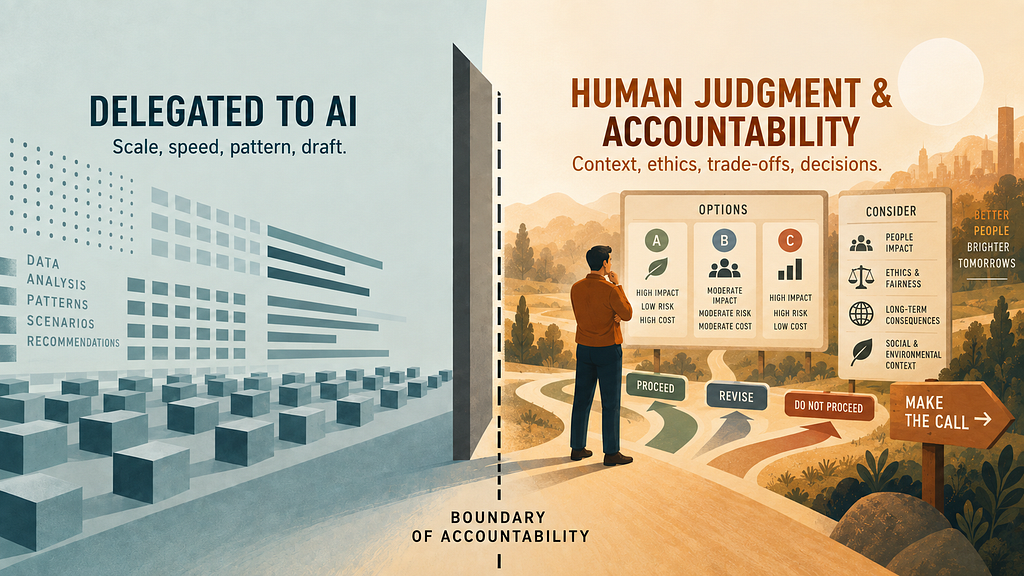
For our juniors, organisations and future generations to come. As AI disrupts the design process and traditional hierarchies, organisations must shift to a “dual transformation” model that balances high-velocity atomic innovation with a stable tomato core. By using a Capability Link to bridge these structures, teams can scale breakthroughs while ensuring juniors develop the foundational mastery … Weiterlesen

Are we makers by nature — or consumers by design?

1SvldUAybuRKtuPRLcigwqw.png

Are we makers by nature — or consumers by design? You were wired to create. The digital environment around you was designed to keep you consuming. So, what happens when something has to give? Picture a designer at the end of a working day. They’ve reviewed a dozen AI-generated concepts, responded to Slack threads, scrolled through Dribbble for inspiration … Weiterlesen

Haptics: how to build a consistent cross-platform solution and align code with Figma

1P6SzrOm KaObbHBv20jmoA.png

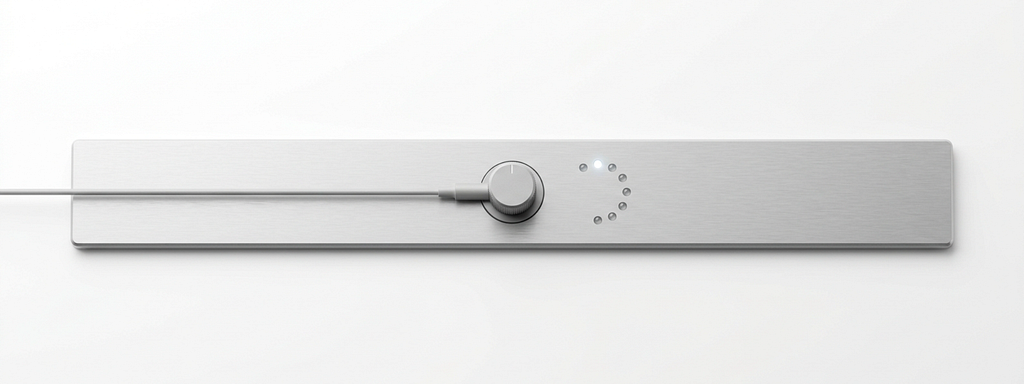
How we turned Apple’s haptic semantics into three numeric parameters that work identically on iOS, Android, and web — and mirror our Figma components. I’m currently working on a design system for a large SDUI project, and in this article I want to share my experience implementing haptics in our applications: explore the challenges you may encounter … Weiterlesen

Your AI agent can read your codebase. It doesn’t know your product.

16lNukzpJn nxPXQynBy5IQ.png

How to feed AI coding agents the brand, patterns, and visual language that aren’t in your code. An open book of code lines beside a fanned deck of design specimens — the two artifacts of a product, only one of which the agent can read. Generated with OpenAI. TL;DR. AI coding agents can grep your codebase. They still produce … Weiterlesen